Project Description
Southend Central Station Platform Reconstruction
Client: Amco Giffen
Location: Southend, Essex
Approximate value: £1.2m
Start Date & Duration: November 24 – March 25
Description of the works (Scope):
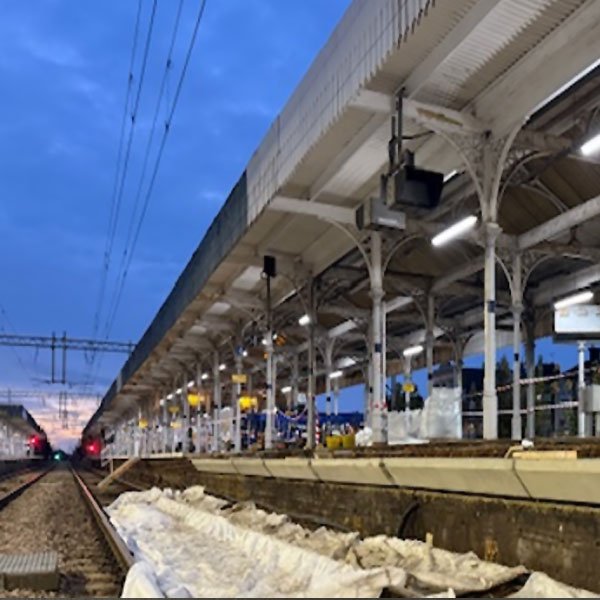
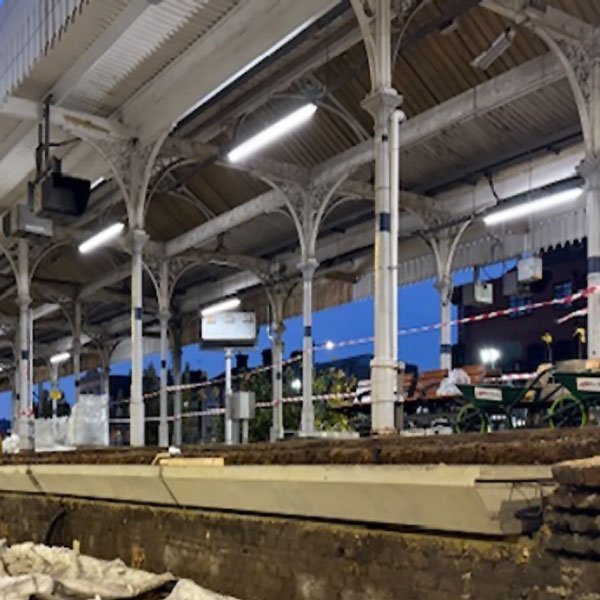
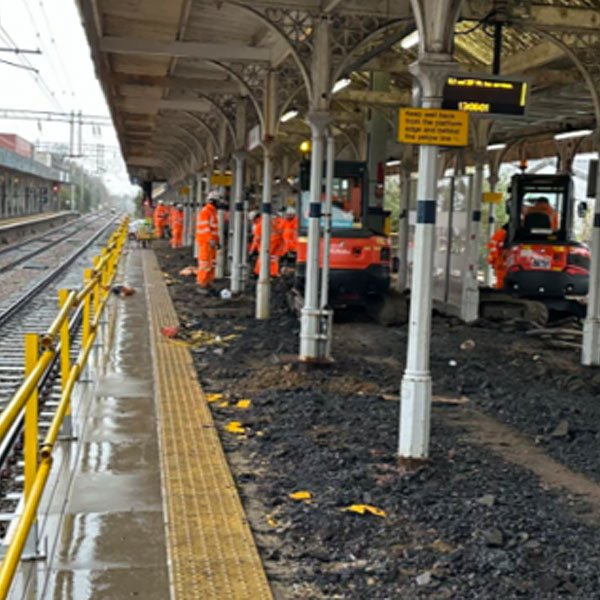
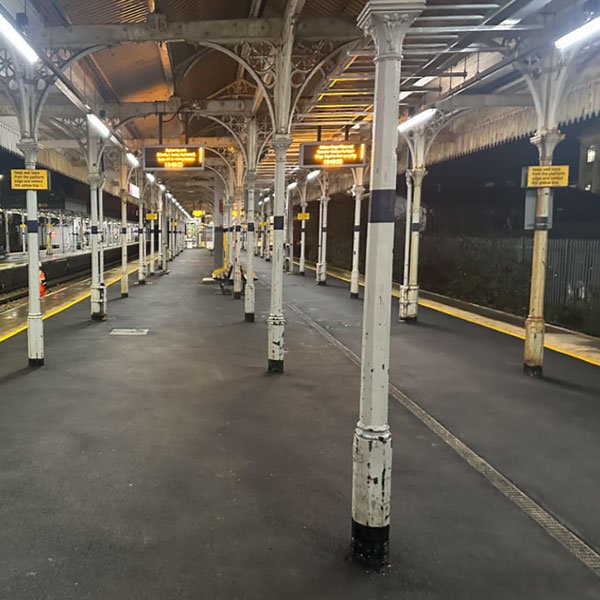
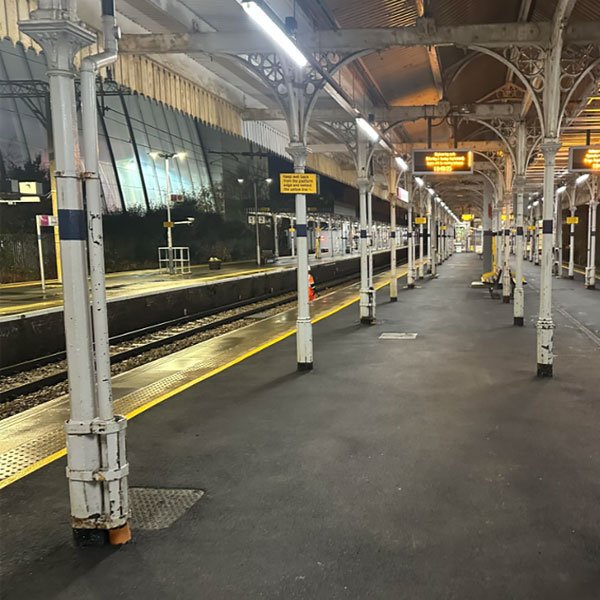
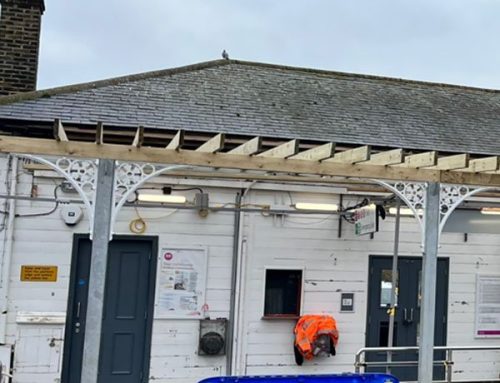
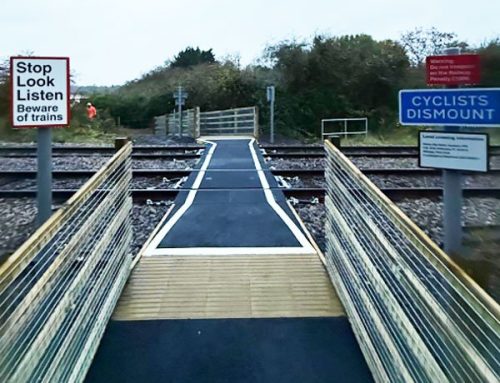
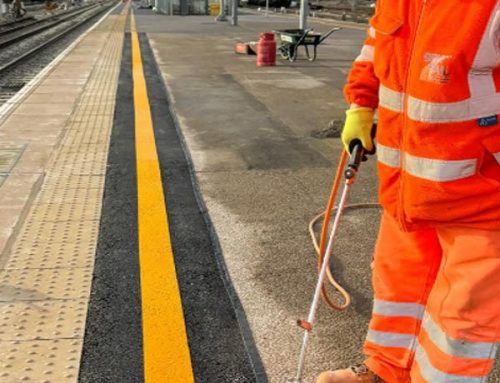
Southend Central station platform reconstruction in Southend on Sea, Essex with works including;
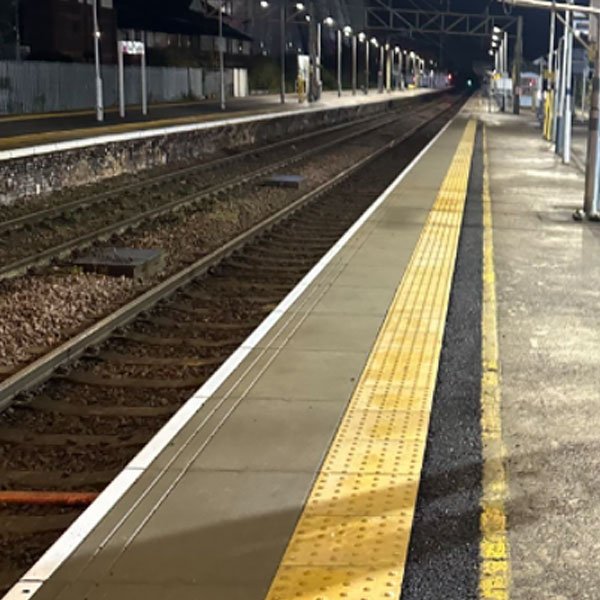
- Installation of 66m of new precast riser wall units and associated connections to existing rail infrastructure.
- 175m of new ACO drainage and associated connections.
- 145m of new cable management ducting installed to accommodate new MEP designs.
- 160m of coper stones replaced
- 425m of tactile paving replaced.
- 1800sq.m of existing platform tarmac surfacing removed and relayed to final design levels.
Difficulties overcome:
Late contract execution and design maturity led to various challenges during the delivery phase of the Southend station platform works, particularly the number of clashes with existing services within the platform. BPH Rail and Civil Engineering supported the client through further design development and worked up a new solution (145m cable management route) providing the client with a compliant asset and safeguarding project outputs within the access provided.
With multiple rail contractors on site, we held prestart works meetings, daily management whiteboards during the possessions and start of shift whiteboards with all contractors’ managers to ensure work clashes were avoided and any potential delays or changes were discussed quickly and openly to get to a resolution fast.
Positive / Notable Actions:
- Above and beyond approach to support the client to manage change, whilst prioritising outputs during the delivery phase.
- Maintained exceptional outputs through consecutive possession weekends delivering a programme of works on time and within budget.
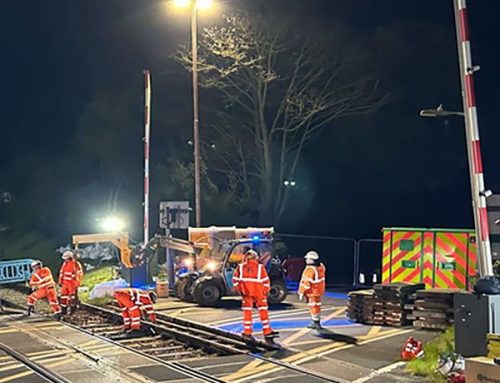
- Zero harm approach, no accidents of incidents and over 5,000-man hours worked over 4 weekend possessions.
- Relocated and protected cables at track level / on the riser wall for the duration of the works. No incidents occurred and all cables were replaced without damage.
.
Health and Safety:
These works had a large volume of operatives working around the clock, the control of Health and Safety on site was controlled by ensuring that full detailed briefings took place at the start of the shift and halfway through the shift to ensure the standards expected were not lapsing. Different work teams were allocated tasks specific, coloured bands to wear to easily identify if operatives had strayed into the wrong working area/work group.
Value:
Buying all the materials in bulk upfront allowed better rates, local labour was soured to save on travel and hotel costs.